


SportDex: Sport Card identify
4.884.00 Reviews
App Specs
- Version
- 1.11.0
- Updated On
- License
- Free
- Downloads
- 50,000+
- Developer
- PlantIn
- Categories
- Lifestyle
- Platform
- Android
Screenshots
 Analysis by AppCompare
I find card-scanning apps are most useful when they reduce the small bits of friction that make a collection hard to manage: identifying a card, keeping a record, and deciding what to research next. SportDex: Sport Card Identify is built around those jobs, with scanning, collection tracking, value information, grading-related tools, and a marketplace in one place. That mix is appealing, but it also means the best results come from treating it as a practical organizer and research starting point—not as the final authority on a card’s identity or worth.
Where a scan can get stuck
The first hurdle is getting a useful image. A reflective sleeve, glare from a ceiling light, a tilted card, or a busy background can make the card harder to read. I’d place the card on a plain surface, move it out of direct glare, and hold the phone parallel to it. If the first attempt gives an uncertain match, changing the angle or lighting is more useful than repeatedly taking the same picture.
Even a clean photo cannot settle every identification question. Two cards may look nearly identical while differing in a small printed detail, such as a variation or edition. That matters particularly when you are checking a card you suspect is uncommon. I’d compare the suggested result with the card itself before saving it, paying close attention to the player, year, and visible design details. A scan is a time-saver, not proof that the match is exact.
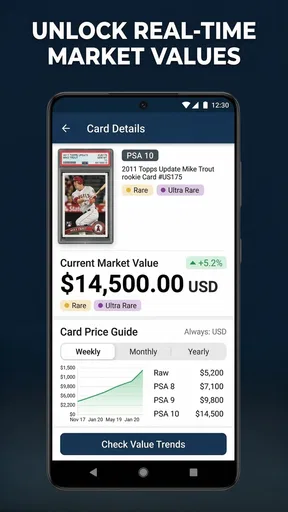
Valuation needs the same caution. A displayed estimate can help me decide which cards deserve more research, but it should not be treated as a guaranteed sale price. Condition, demand, and the exact version of a card can change what a buyer will pay. Before making a consequential trade or sale, I’d check comparable cards and inspect the card carefully rather than relying on one number.
Checks that make setup less frustrating
SportDex is a free lifestyle app from PlantIn, with in-app purchases listed from $5.99 to $59.99 per item. It is rated for Everyone, and its current version is 1.5.0, with Android support from OS 7.0. The app has a 4.7 average from 472 ratings, alongside 33 written reviews and 10K+ installs. Those figures give a sense of its audience, but they do not tell me whether every scan will suit a particular collection.
If a feature does not behave as expected, I’d start with straightforward checks: confirm the app is up to date, make sure the phone can take a clear picture, and try again with one card rather than a whole stack. If identification is the sticking point, a sharper image and a manual check of the printed details are sensible next steps. These checks do not guarantee a match, but they help separate a poor capture from a card that simply needs closer research.
It is also worth deciding what you want from the app before spending time organizing everything. If your main goal is a quick inventory, start by adding a small, representative group of cards and see whether the catalog suits the way you think about your collection. If you care more about a particular set or variant, check the proposed entries closely before building a large record around them. That small trial can prevent the tedious job of correcting many saved items later.
Worth Reading Before You Choose

Flipboard Shows What News Apps Must Do Beyond the Feed

Switching to Android Auto Means Rethinking Your Driving Routine

Google Calendar Makes a Crowded Week Easier to Manage

Ludo King Makes the Most of the Minutes Between Plans

Baby Panda World Brings Quick Play to Modern Phones, but Its Game Library Feels Busy

ESPN’s Live Game View Makes Following Close Games Easier
A careful workflow for building a collection record
I would use a scan as the beginning of a short verification routine: capture the card, check the identification, then save it only when the details make sense. For cards that are difficult to distinguish, keeping a separate note of the visible differences can help when comparing candidates. The point is not to turn collecting into paperwork; it is to avoid letting a plausible-looking match quietly become an incorrect entry.
For a larger collection, working in manageable groups is better than trying to catalogue everything in one sitting. I’d sort cards into broad piles first, then scan a few at a time and review the saved entries before moving on. This makes errors easier to catch and gives me a chance to notice which cards need manual research. It is a particularly useful approach when a box contains several similar designs or cards from different periods.
If a scan fails or the suggested result looks wrong, I would not keep repeating the exact same attempt. I’d clean up the image conditions, inspect the printed information directly, and use the app’s cataloging role without forcing a questionable identification. A collection record is only helpful if I can trust what I entered. When a card remains ambiguous, leaving it for later research is better than confidently filing the wrong version.
When the phone or the market is the real issue
Not every disappointing result points to a problem with SportDex. A camera can struggle with glare or focus, while a card’s wear, faded printing, or unusual design may make a clean match harder. Market estimates can also differ from the price a collector is willing to pay at a particular moment. I’d keep those factors in mind before deciding the app itself has failed.
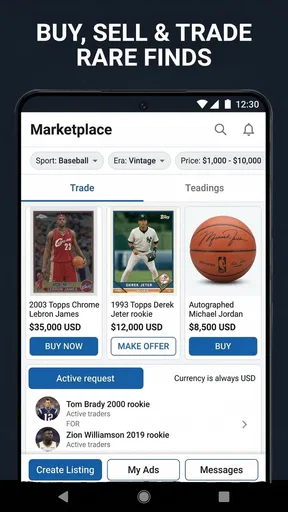
Likewise, a marketplace or collector community is useful only when there are people and listings relevant to what you collect. SportDex brings those social and trading ideas into the same environment as scanning and tracking, but I would still compare offers and communicate carefully before making a deal. For a rare card, specialist knowledge may be more valuable than convenience; for a common card, a fast in-app check may be enough to decide whether further research is worthwhile.
What's the Deal with SportDex?
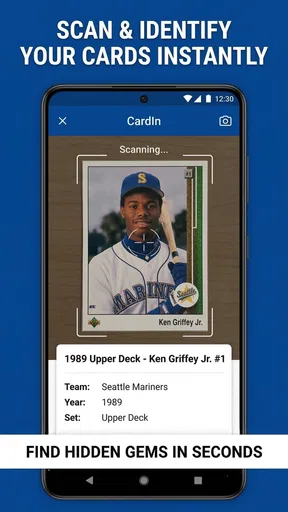
So, what's the scoop on SportDex: Sport Card Identify? Essentially, it's an app designed to help you identify, evaluate, and manage your sports card collection. Whether you're a seasoned collector or just starting out, this app promises to make the whole process a lot easier. The interface is pretty user-friendly, which is always a plus in my book. You can easily snap a photo of your card, and the app does its magic to identify it.
Features That Caught My Eye
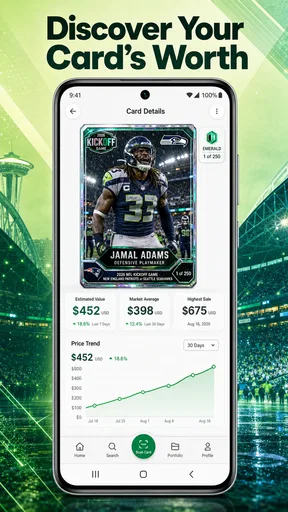
One of the first things you'll notice is the image recognition feature. You just point your phone's camera at the card, capture an image, and voilà! The app tries to identify the card and provide details like the player, year, and even potential value. It's pretty slick, although not always 100% accurate—more on that later.
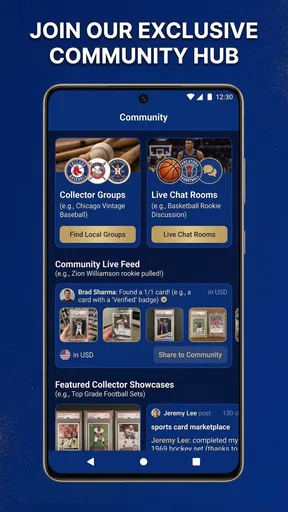
The app also offers a digital cataloging system. You can organize your collection in-app, making it easy to keep track of what you have and what you still need to complete your set. There's also an option to connect with other collectors, which could be a game-changer if you're looking to trade or sell cards.
Let's Talk Usability
Installation was a breeze, and the app runs smoothly on both Android and iOS. Navigation is intuitive, which is key when you're trying to get things done quickly. There are a few ads here and there, but nothing too intrusive. It's a free app, so a few ads are to be expected.
I did notice that the image recognition isn't perfect. It's great for mainstream cards, but if you've got something rare or obscure, you might have to do a bit of manual searching. Still, the app does a commendable job for the most part.
Why You Might Love It
If you're someone who loves collecting sports cards but struggles with keeping track of them, this app could be a lifesaver. The community feature is also pretty neat, allowing you to connect with fellow enthusiasts. This could be especially useful for anyone looking to trade or sell cards.
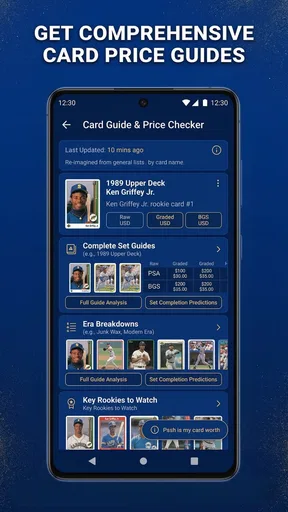
The app also helps with valuing your collection. While it's not a substitute for a professional appraisal, it gives you a good ballpark figure for your cards. It's like having a mini Antiques Roadshow in your pocket.
Things to Keep in Mind
While I love a lot about this app, it's not perfect. Image recognition can be hit or miss, particularly with less common cards. Also, while the community feature is cool, it's still growing. You might not find as many people to connect with as you'd like just yet.
Finally, remember that while the app can give you an estimated value for your cards, it's not always accurate. Always do your homework before making any big sales or trades.
How it fits into an everyday collecting routine
A realistic use for SportDex is sorting a small batch after a weekend of browsing or opening a box you have not looked through in a while. I’d scan cards that I cannot identify at a glance, check the proposed details, and save the ones I want to track. That turns an unstructured pile into a list I can revisit, without requiring me to stop and research every card in depth.
For a collector assembling a set, the catalog can help answer a practical question: what do I already have, and what should I look for next? I would use the record to guide a shopping list, then confirm each potential purchase independently. That workflow is more dependable than assuming an app’s collection view tells me whether a card is the correct variation or in the condition I need.
Before visiting a card show or meeting another collector, an organized inventory can also make comparisons easier. I can check what I own and avoid relying entirely on memory when discussing a trade. Still, I would inspect the physical card and agree on the exact version before exchanging anything. A digital record helps with preparation; it cannot replace seeing the item in person.
Who will get the most from it—and who may not
I’d recommend trying SportDex if you have enough cards that memory is no longer a reliable inventory, or if you enjoy researching values and want a convenient first pass. New collectors may appreciate having identification and organization close together, while experienced collectors may find it useful for routine cataloging. Its broad combination of collection tools, grading-related information, and marketplace access is more convenient than juggling separate notes for every step.
On the other hand, someone with only a handful of cards may find a simple spreadsheet or written list quicker and easier to maintain. A spreadsheet also gives a collector full control over custom fields, which matters if the details they care about do not match the app’s organization. Likewise, a specialist database or knowledgeable dealer may be a better choice for a rare, high-value, or unusually complex card where a mistaken identification could have real consequences.
The app’s free entry point makes it approachable, but the in-app purchase range is broad enough that I would check what a paid option includes before buying. I would not pay simply because a scan is uncertain: first verify the image, compare the printed details, and see whether the feature you need is actually part of the purchase. That is a sensible way to avoid paying for a tool that does not solve your particular collecting problem.
What to expect from its tools
Scanning, tracking, and checking value are related jobs, but they answer different questions. A scan can suggest what a card is; a collection record helps me remember that I own it; an estimate offers a starting point for research. None of those steps alone tells me what condition a buyer will accept or what price a specific transaction will reach. Keeping those distinctions clear is one of the most useful habits I can bring to the app.
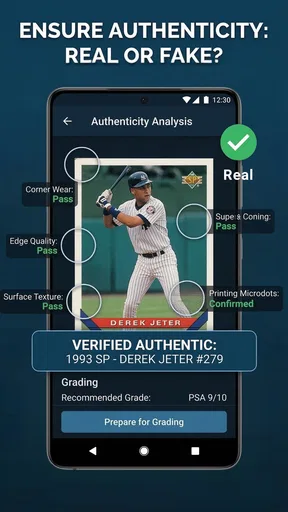
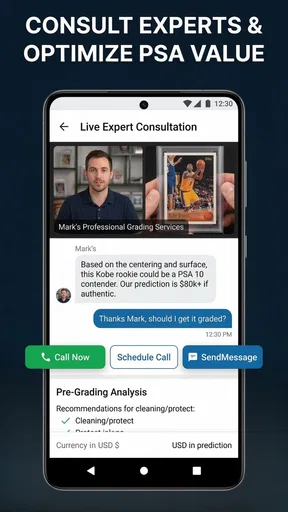
The grading-related side of the experience is best approached as a prompt to learn more, rather than a substitute for a professional assessment. A card’s condition can hinge on details that are difficult to judge from a casual photo, so I would not make a grading decision from a quick scan. For cards that matter financially or personally, careful physical inspection and an experienced opinion remain worthwhile.
There is also a trade-off in having discovery, organization, and trading gathered together. It is convenient to move from identifying a card to considering its value or a possible sale, but that convenience can make an early estimate feel more certain than it is. I try to treat each stage separately: verify the card, record it accurately, then research the market before acting.
Practical verdict
As a lifestyle app for sports-card collectors, SportDex has a useful central idea: make identification and collection management less scattered. The 4.7 average and 10K+ installs suggest that it has found an audience, while its Everyone age rating makes it broadly accessible. I would judge it by whether its scans and catalog fit my own cards, not by popularity alone.
My recommendation is to start with a modest trial collection, check every uncertain match, and use estimates as leads rather than promises. If the app helps you find cards faster and keep a dependable inventory, it can earn a place in your hobby routine. If you need highly specialized research, total control over record fields, or a definitive appraisal, a dedicated reference source, spreadsheet, or expert is likely the better companion.
In conclusion, if you're into sports card collecting, SportDex: Sport Card Identify is worth checking out. It's user-friendly, mostly accurate, and adds a social element to collecting. Just keep in mind the few limitations and you'll likely find this app to be a valuable addition to your hobby toolkit. Happy collecting!
Pros
- Easy to navigate user interface.
- Fast and accurate card recognition.
- Supports a wide range of sports cards.
- Regular updates with new features.
- Offline mode available for convenience.
Cons
- Limited free features; subscription needed.
- Occasional errors in rare card detection.
- High battery usage during extended use.
- Requires stable internet for full features.
- Ads can be intrusive in the free version.
FAQs for SportDex: Sport Card identify
What is SportDex: Sport Card Identify and how does it work?
SportDex is an innovative app designed to help users identify and manage their sports card collections. Utilizing advanced image recognition technology, the app scans cards to provide detailed information about them, including player stats, card value, and rarity. It's an essential tool for collectors looking to organize and appraise their collections quickly and efficiently.
Is SportDex available for both Android and iOS devices?
Yes, SportDex is available for download on both Android and iOS platforms. Users can find it on the Google Play Store for Android devices and the Apple App Store for iOS devices, ensuring compatibility with a wide range of smartphones and tablets for easy access to its features.
Does SportDex offer real-time updates on card values?
SportDex provides users with real-time updates on card values by integrating with popular sports card marketplaces. This feature allows collectors to stay informed about the latest market trends, ensuring they have the most accurate and up-to-date information on the value of their cards.
Are there any subscription fees or in-app purchases in SportDex?
SportDex offers a free version with basic functionalities, but also provides a premium subscription for users who want access to advanced features such as detailed market analytics, historical card data, and personalized collection insights. In-app purchases for premium features are available to enhance the user experience.
How user-friendly is SportDex for beginners in sports card collecting?
SportDex is designed with beginners in mind, featuring an intuitive user interface and easy-to-follow tutorials. The app guides new collectors through the process of scanning and cataloging their cards, making it accessible even for those who are new to the hobby. Additionally, its community features allow users to connect with fellow collectors for tips and advice.


